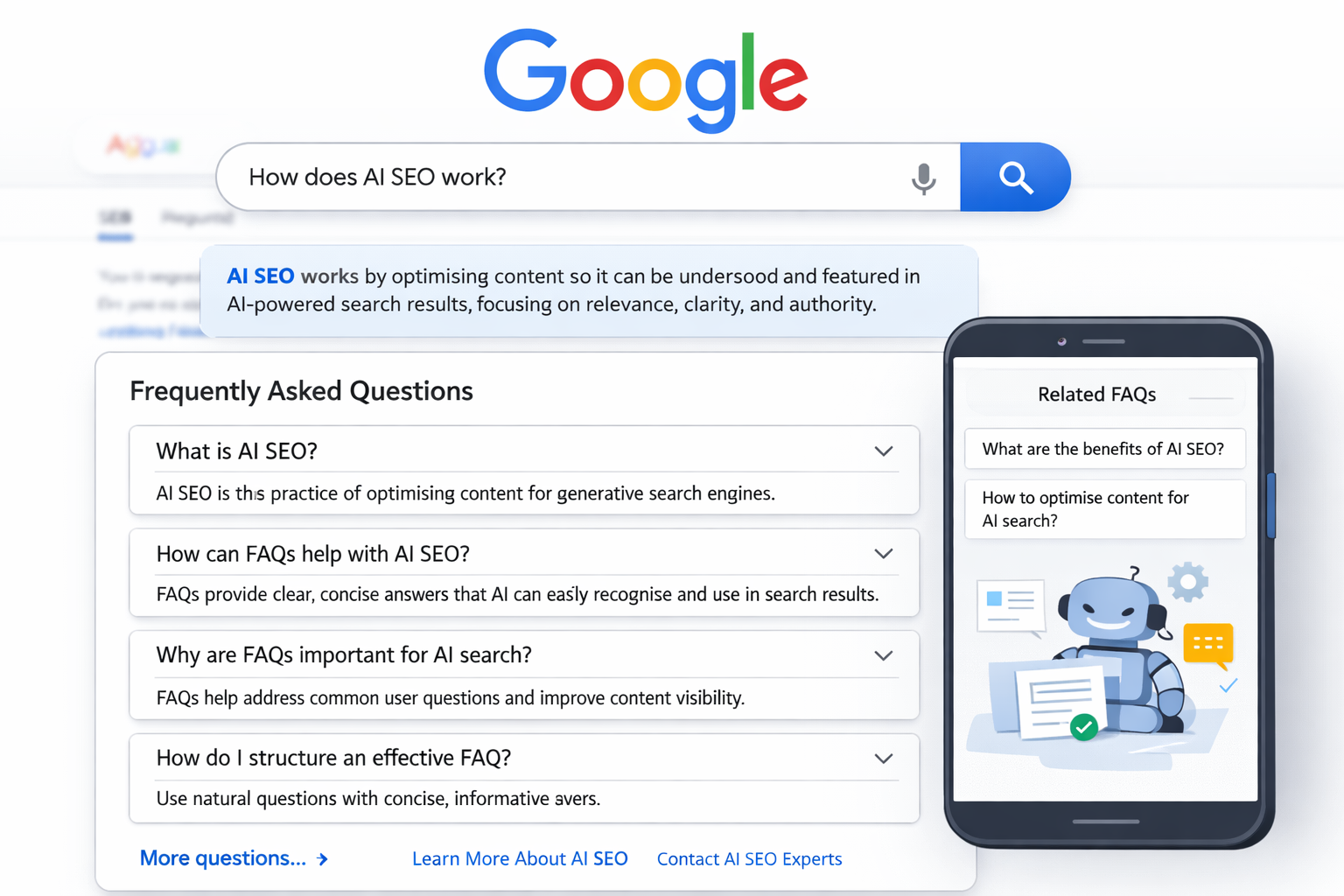
Traditional SEO isn’t enough anymore. With fans increasingly asking chatbots and AI search tools for quick sports answers, teams and clubs must adapt now. AI driven discovery means your content needs to be structured for generative answers – or risk being overlooked.

Today’s users use AI tools and voice assistants that summarise content, so your SEO must focus on AI visibility. This means clear answer first content and rich structure. SEO now values understanding – using semantic headings, bullet points and schema markup – so AI can easily ingest your content.
Design every page as if it could be read aloud by a chatbot. Answer questions directly and concisely (often in 40–60 words) at the top of pages. This format is ideal for featured snippets, voice answers and AI overviews. Remember, keywords alone aren’t enough – fans ask full questions in natural language. Craft your copy in a friendly, conversational tone that an AI voice can use.
AI search models still trust traditional credibility cues. Highlight your expertise and trustworthiness with clear author bios, citations to official stats, and up to date data. Use structured data (e.g. FAQPage, Event, Player schemas) wherever possible. Sites with well implemented schema see far better visibility in AI answers.
Focus on fundamentals that won’t change: helpful content, user intent, and authoritative information. Even as algorithms evolve, search engines (and AI chatbots) will continue rewarding clarity, relevance, and trust. By building a solid foundation of high value content now, you ensure your sports organisation stays visible in any search landscape – even as AI grows.
Our AI SEO service is a comprehensive blend of content, technical, and strategic optimisations, all aimed at winning visibility in AI-driven search.
Yes. While chatbots like ChatGPT (as standalone tools) don’t browse the web in real time, the information you publish can still inform AI generated answers on platforms that do (like Google’s AI search or Bing Chat). By structuring your content (with clear answers, schema markup, etc.), you make it more likely that Google’s AI or other chat assistants will pull in your club’s details.
Content that is factual, concise, and well structured tends to do best. Examples include FAQs on common user questions (e.g. “When is registration for summer camp?”), event schedules, scoring summaries, and how to guides (e.g. training tips). Using schema markup for games, rosters, and scores helps AI read it. In short, create clear, authoritative answers to questions fans ask (rules, schedules, stats, etc.) – exactly the type of content AI is built to surface.
Frequently, especially for time sensitive sports info. Speed & accuracy is crucial. When schedules change or scores update, refresh your content quickly – AI favours current, error free data. Evergreen materials (like training tips or athlete bios) should be reviewed periodically too, but the key is keeping facts up to date. Regular audits ensure that AI assistants always see the latest info from your site, which maintains trust and visibility in their answers.