Set Authority, Kill the Fluff
Search is changing - fast.
If your SEO strategy still revolves around ranking blue links on page one, you’re already behind.
Generative search and AI driven results are fundamentally changing how content is discovered, summarised, and surfaced to users. Google, Bing, and AI assistants are no longer just ranking pages, they’re answering questions on your behalf.
This guide explains:
- What generative search actually is
- How AI SEO differs from traditional SEO
- Why this shift matters commercially
- How businesses should adapt now, not later
What Is Generative Search?
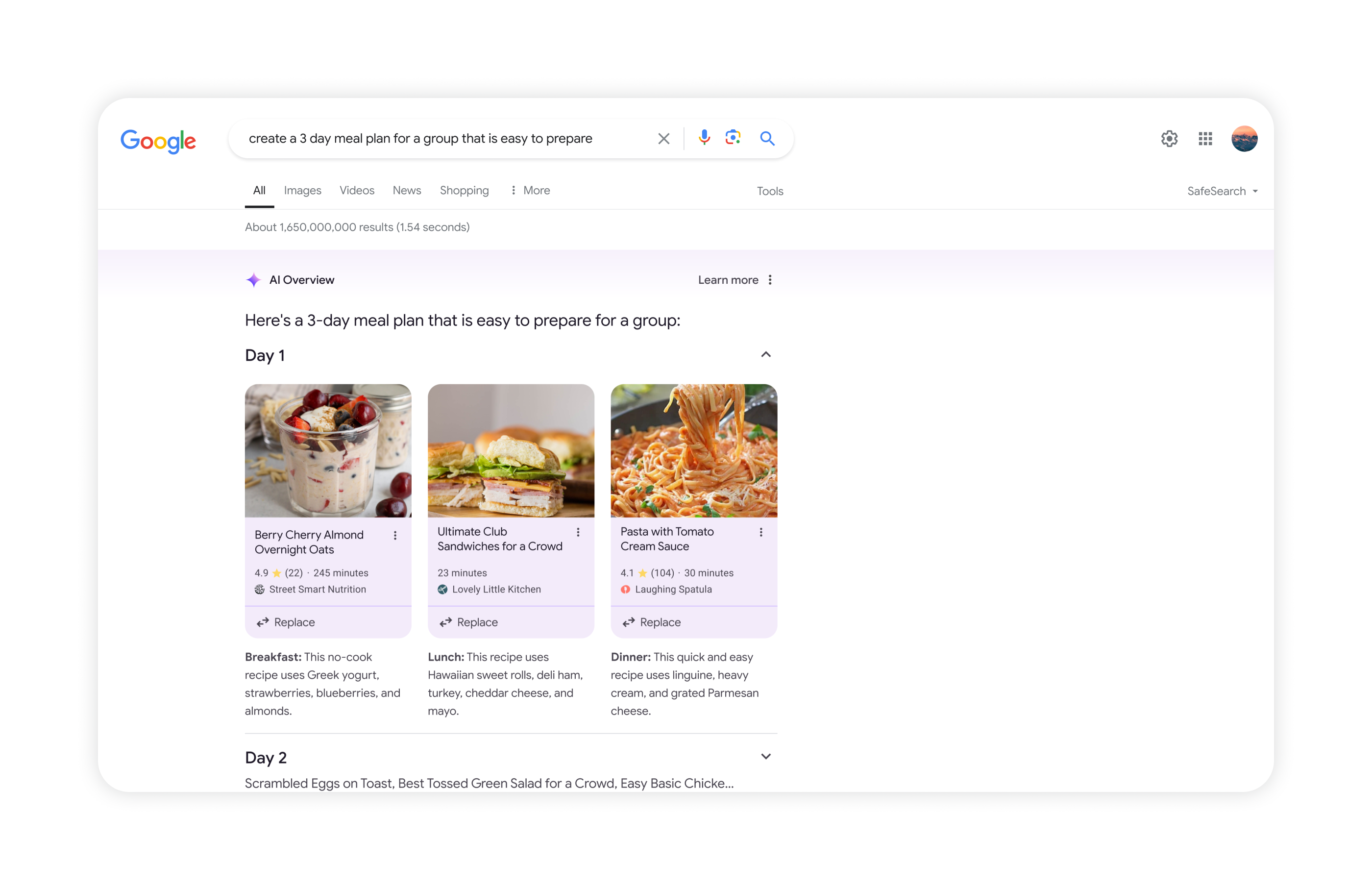
Generative search refers to search engines using large language models to generate direct answers, summaries, and recommendations inside the search results themselves, instead of simply listing websites.
Rather than serving:
“Here are 10 website links, go figure it out”
Users now see:
“Here’s the answer, synthesised from multiple sources”
This is already happening through:
- Google’s Search Generative Experience (SGE)
- AI-powered answer boxes
- Conversational search results
- AI assistants pulling web content into responses
How Generative Search Is Different from Traditional SEO
Traditional SEO (Old Model)
- Rank pages
- Optimise for keywords
- Compete for blue links
- Traffic flows to websites
Generative Search (New Model)
- AI summarises content
- AI selects sources
- AI answers queries directly
- Traffic becomes selective and intent based
You are no longer just ranking against competitors, you are competing to become a trusted source the AI chooses to quote or reference.
What Is AI SEO?
AI SEO is the practice of optimising content so it is:
- Easily understood by AI models
- Structured for semantic meaning, not just keywords
- Credible enough to be selected, summarised, or cited
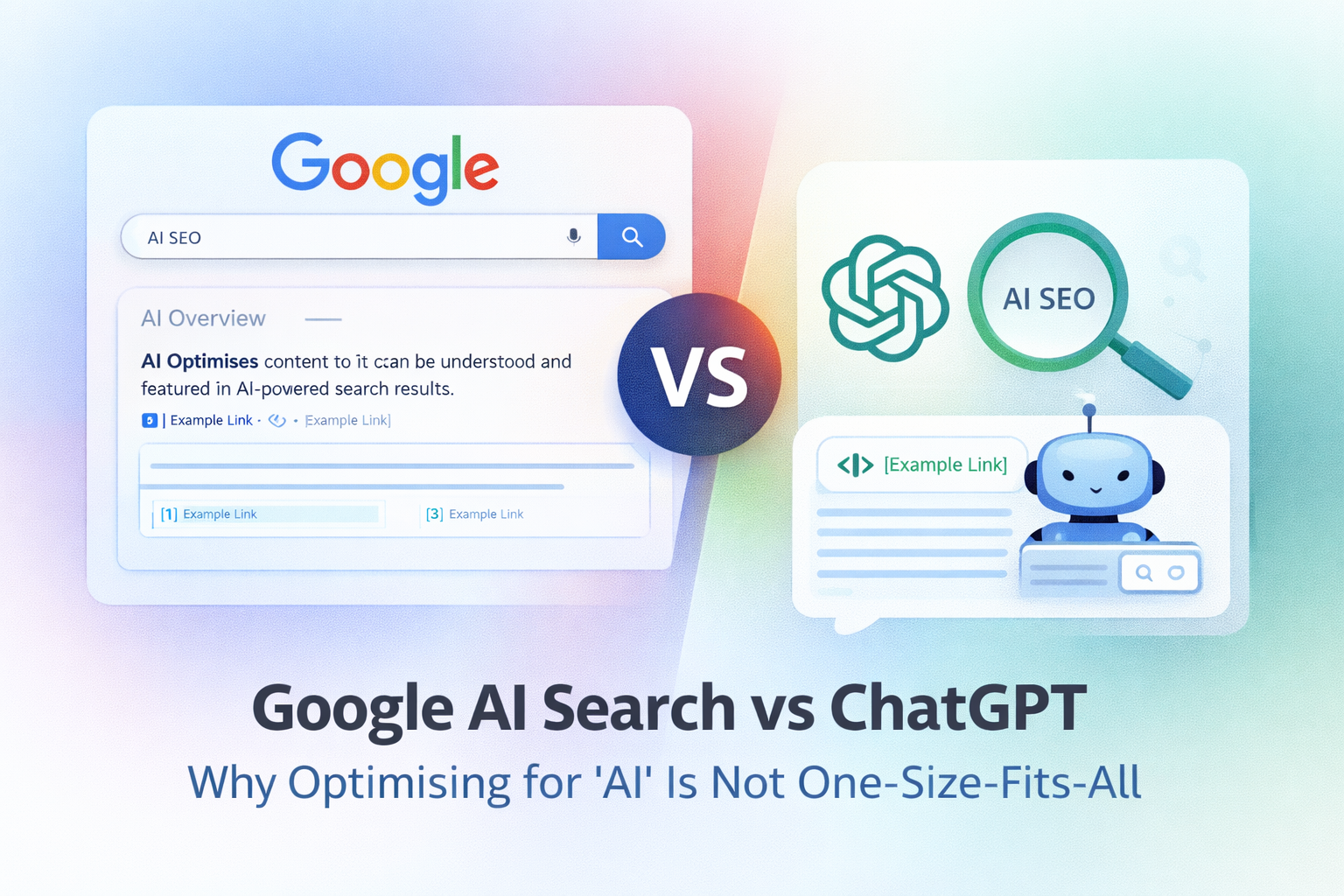
This is not about optimising for ChatGPT.
It’s about:
- Clarity
- Authority
- Topical depth
- Structured content
- Real expertise signals
Why Generative Search Is a Massive Threat (If You Ignore It)
1. Fewer Clicks, Fewer Opportunities
If the AI answers the question without a click, weak content disappears.
2. Thin Content Gets Filtered Out
AI models favour:
- Original insight
- Clear explanations
- Authoritative sources
- Structured logic
Generic blogs = invisible.
3. Brand Authority Becomes the Ranking Factor
AI systems prefer trusted voices, not SEO tricks.
Why Generative Search Is a Huge Opportunity (If You Get It Right)
Businesses that adapt early will:
- Dominate top of funnel visibility
- Appear as the authority in AI answers
- Win higher intent traffic
- Build long term defensibility
Being cited by AI is the new “page one”.
How AI Chooses Which Content to Use
Generative search systems look for:
Clear topical authority
- Depth, not word count
- Logical coverage of subtopics
Structured content
- Strong H1 → H2 → H3 hierarchy
- Clear explanations
- Concise summaries
Demonstrated expertise
- First hand knowledge
- Specific examples
- Non generic insights
Consistency across the site
- Internal linking
- Topic clusters
- Supporting content
How to Optimise Content for Generative Search (AI SEO Framework)
1. Write for Understanding, Not Just Rankings
Ask: “Could an AI summarise this accurately?”
If not, rewrite it.
2. Use Explicit, Declarative Headings
Bad: “Things to know about AI”
Good: “How Generative Search Chooses Which Websites to Reference”
3. Answer Questions Directly (Then Expand)
Lead with clarity, then detail.
4. Build Topic Clusters
One AI SEO blog is not enough.
You need:
- Pillar pages
- Supporting deep dives
- Internal authority loops
5. Stop Publishing Filler Content
Every article should:
- Teach something
- Explain something complex simply
- Add unique value
What This Means for Your Business Website
If your site relies on:
- Generic blog posts
- Keyword stuffed articles
- Outsourced low quality content
You will lose visibility over the next 12-24 months. Businesses that invest in expert led, long form, structured content will compound visibility.
Generative Search & AI SEO Is Not Optional
This isn’t a trend. It’s a structural change to how search works.
The businesses winning in 2026 will be the ones:
- Building authority today
- Publishing content worth referencing
- Adapting before traffic drops, not after
Preparing Your Website for Generative Search & AI SEO
Generative search is already changing how businesses are discovered online and most websites are still built around outdated SEO models.
If you want your site to:
- Stay visible in AI-powered search results
- Be referenced by generative search engines, not bypassed
- Future proof your organic traffic as traditional rankings decline
We offer a dedicated AI SEO and generative search optimisation service built specifically for businesses adapting to this new search landscape.
👉 Learn more about our AI SEO and generative search optimisation services
👉 Or contact our AI SEO specialists to discuss how generative search will impact your website.