Website development in 2026 looks very different to how it did even a few years ago. Most businesses no longer need a website simply to “exist online”. A modern website is expected to perform as infrastructure, supporting marketing, SEO, AI-driven search, content publishing, and long term growth. It needs to be fast, stable, secure, and adaptable, without becoming fragile or expensive to maintain.
At Bright Kru Media, the platform we consistently choose to build on is Webflow.
Not because it’s fashionable. Not because it’s “no-code”. But because, structurally, it aligns better with how modern websites actually need to work.
This article explains why we use Webflow in 2026, what that means for clients, and where it genuinely outperforms more traditional platforms.
A few years ago, the main questions around website platforms were simple:
In 2026, those questions are no longer enough. The real considerations now are quieter but far more important:
Many legacy CMS platforms were not designed with these questions in mind. They grew by layering plugins, themes, and workarounds on top of systems that were originally far simpler. Webflow, by contrast, was built around structure first.
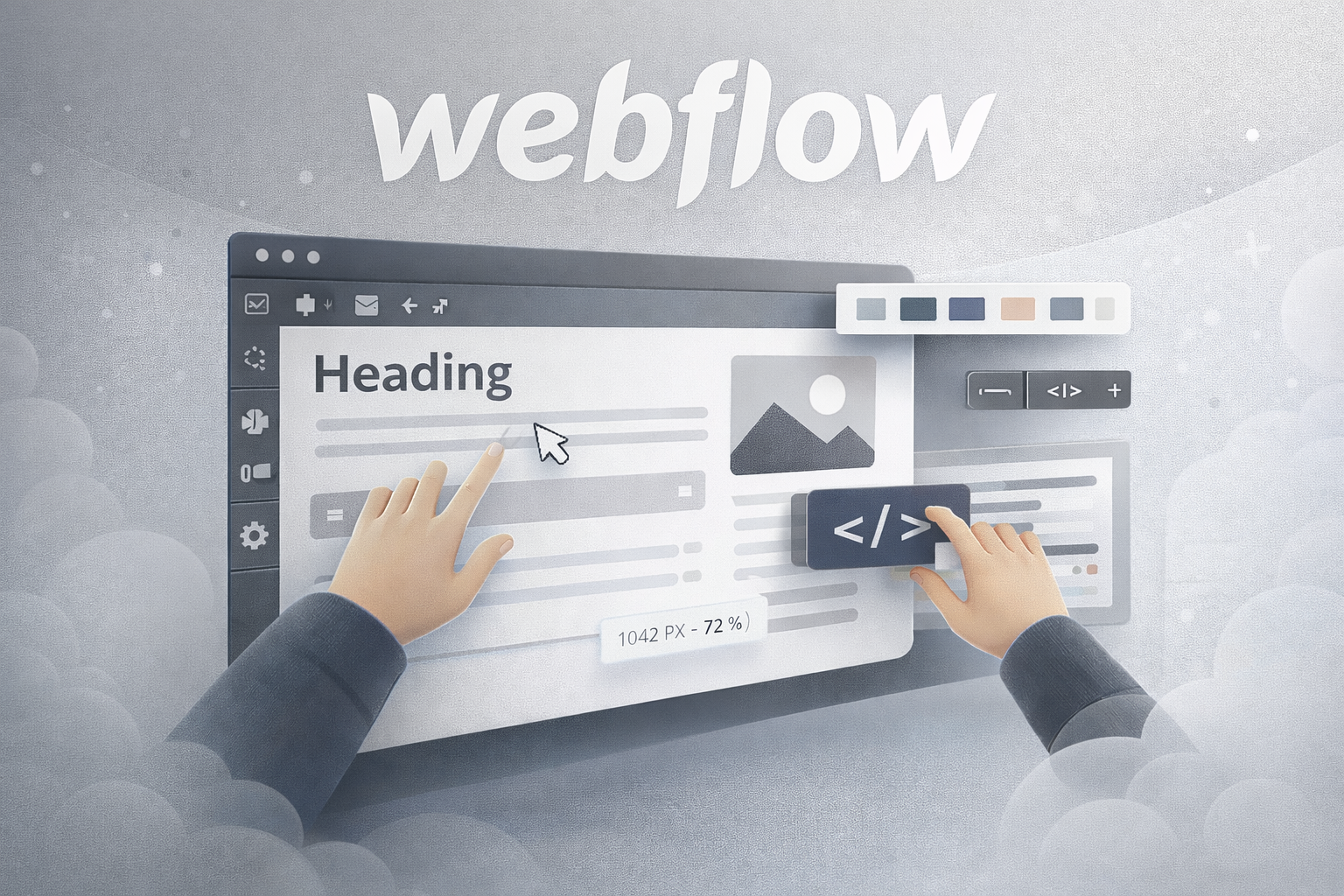
Webflow is often described as a visual website builder, but that framing misses the point. At its core, Webflow is a visual development environment that produces clean, standards based HTML, CSS, and JavaScript. You are not bypassing code, you are controlling it intentionally, without the overhead of unnecessary abstractions.
For clients, this distinction matters more than it sounds. It means your website is not dependent on:
Instead, the site’s structure is explicit, predictable, and easier to reason about, both for humans and for search engines.
One of the biggest issues we see with inherited websites is performance degradation over time. Sites start fast, then slowly accumulate:
Eventually, performance becomes something that has to be constantly optimised against the platform. With Webflow, performance is largely a by product of how the system works. There is no plugin ecosystem injecting code you didn’t ask for. Assets load when they’re needed. Layouts are not dependent on heavy frameworks running in the background.
For clients, this means:
That stability is hard to overstate.
Custom design is often sold as a benefit, but it usually comes with a hidden cost.
On many platforms, highly bespoke design leads to:
Webflow handles this differently. Design and structure live in the same system, which allows for fully bespoke layouts without introducing complexity that makes the site hard to manage later.
The result is a site that can:
…without requiring a rebuild every time the business grows.
Search engine optimisation today is far less about hacks and far more about clarity.
Modern SEO depends on:
Webflow gives full control over these fundamentals without fighting the platform.
You’re not working around theme limitations or plugin conflicts just to:
From an SEO perspective, this removes friction, which is often more valuable than any single optimisation tactic.
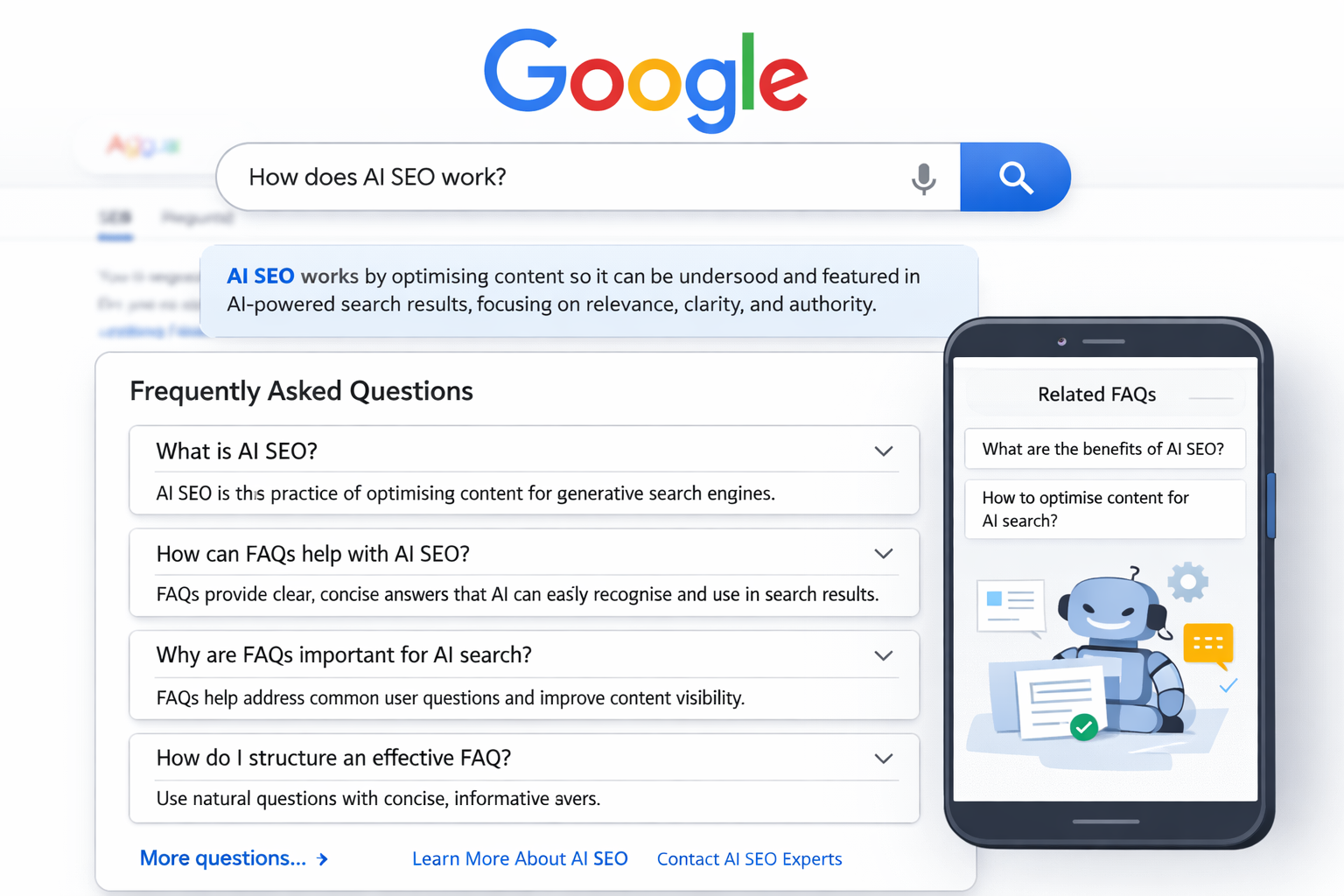
As search moves further into AI-generated summaries and generative results, clarity becomes even more important. AI systems are not impressed by clever design or persuasive copy. They respond to:
Webflow makes it easier to build pages that are:
This is why Webflow sites tend to adapt well to changes in how search surfaces content, not because of magic, but because the underlying structure is clean.
Security is one of those topics that only gets attention when something goes wrong. With many traditional platforms, security relies heavily on:
Webflow removes much of this burden by design. Hosting, SSL, infrastructure updates, and platform security are handled at the platform level. For clients, this translates into fewer surprises and less ongoing maintenance overhead, particularly valuable for businesses that don’t want their website to become another system they need to worry about.
A common frustration we hear from clients is that they technically have a CMS, but they’re afraid to touch it. Webflow’s CMS separates content from layout in a way that makes updates safe. Clients can add, edit, and manage content without worrying about breaking design or functionality. That confidence matters. A website that isn’t updated because it feels risky quickly becomes a liability.
As businesses grow, websites usually need to:
On many platforms, this is where complexity compounds and sites become harder to manage. Webflow’s use of reusable components and structured collections allows sites to grow without losing consistency or performance. This makes it far easier to evolve a site gradually, rather than relying on periodic full rebuilds.
No platform is universal, and Webflow is no exception. It may not be the right choice if:
In these cases, Webflow often works best as a front end or marketing layer rather than the entire system. Knowing when not to use a tool is part of using it responsibly.
We choose Webflow because it allows us to build websites that are:
It’s not about the platform itself. It’s about reducing friction, risk, and technical debt for our clients. Webflow simply aligns better with what modern websites need to be in 2026.
We’ve built 50+ websites for clients using Webflow, across a range of industries, from service led businesses to more complex, content driven platforms.
That experience means we’re not just designing pages, we’re building structured, scalable Webflow websites that perform well long after launch.
If you’d like to see how we approach Webflow projects in practice: